
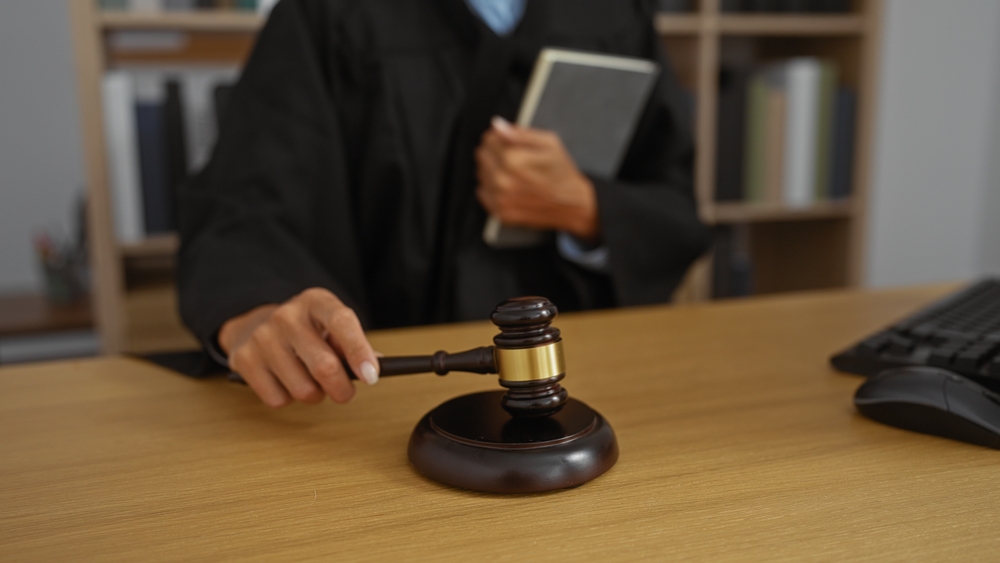
How Fast Can A Prosecuting Attorney Get A Trial Date?
Exactly how fast can a prosecuting attorney get a trial date after filing formal criminal charges? The answer depends heavily on constitutional mandates, local court schedules, and specific case details. While you might expect a swift resolution, the American criminal trial timeline operates on a highly structured and often complex schedule.
Prosecutors hold significant power in moving a case forward, but they must operate within strict procedural boundaries after filing formal charges. Furthermore, veteran trial attorneys in Philadelphia like those at Bochetto & Lentz, a firm led by George Bochetto and Gavin P. Lentz, understands that a defense team can strategically slow the process with various motions and requests for continuances to deliver a fair trial.
Understanding this timeline helps you grasp the realities of criminal justice proceedings and judicial system efficiency in the United States. While the Sixth Amendment guarantees a “speedy trial,” firms like Bochetto & Lentz know that balancing speed with a thorough defense is the key to navigating the complexities of the courtroom.
Understanding Speedy Trial Rights: How Fast Can a Prosecuting Attorney Get a Trial Date?
The Sixth Amendment guarantees every criminal defendant the right to a speedy trial, preventing the government from holding individuals indefinitely. To uphold this, federal and state laws set strict time limits on legal proceedings. Firms like Bochetto & Lentz specialize in navigating these constitutional protections to make sure the government meets its burden of proof without delay.
Key Deadlines and Legal Standards
- Federal Level: The Speedy Trial Act generally requires a trial to start within 70 days of an indictment.
- State Level: Deadlines vary by jurisdiction, typically ranging from 60 to 120 days.
- Case Complexity: Misdemeanors often move faster, while felonies require more extensive evidence gathering.
Experienced litigators at Bochetto & Lentz understand that if a prosecutor misses these statutory deadlines, a judge may dismiss the charges entirely.
Navigating Delays and Tolling
While the “speedy trial clock” puts pressure on the state, it often pauses—or “tolls”—during the discovery phase. Common reasons for delays include:
- Defense-requested continuances.
- Pre-trial motions.
- Complex evidentiary reviews.
Managing these timelines requires the sharp attention to detail found at Bochetto & Lentz, making sure that administrative delays never compromise a defendant’s fundamental rights.
Key Factors Influencing the Criminal Trial Timeline and Court Docket Scheduling
- Prosecutorial Strategy: A prosecuting attorney may push for an earlier trial date based on specific procedural conditions or strategic advantages.
- Defendant Custody Status: Defendants held in custody without bail automatically trigger stricter statutory deadlines to deliver judicial efficiency and prevent individuals from languishing in jail.
- Evidentiary Complexity: Cases with straightforward evidence, such as clear video footage or reliable witness statements, move faster. Prosecutors often file a demand for a speedy trial when they are prepared to secure a quick conviction.
- Public Interest and Profile: High-profile cases with significant media attention are often expedited. Judges prioritize these to minimize community disruption and bypass the typical administrative delays found in routine matters.
Common Roadblocks in Prosecutor Trial Preparation and Discovery Phase Delays
Despite their efforts, prosecutors frequently encounter substantial delays that push trial dates months into the future. The most common delay occurs when defense attorneys request continuances to review evidence or interview witnesses during the discovery phase. Judges routinely grant these extensions to protect the constitutional rights of the accused person.
State attorneys must manage several logistical nightmares before a judge will formally schedule the proceedings. Complex discovery requirements create a massive hurdle for legal teams trying to finalize a schedule and manage the criminal trial timeline.
The most frequent administrative and evidentiary roadblocks include:
- Processing complex digital discovery files like cell phone extractions and computer hard drives.
- Coordinating schedules with overloaded public defender offices and private defense attorneys.
- Waiting for external agencies to complete mandatory background investigations and forensic audits.
Witness availability can completely derail a carefully planned prosecution timeline at the very last minute. If a crucial expert or an arresting officer falls ill, the state must request a postponement. The court will typically pause the speedy trial clock until the essential witness becomes available for the legal proceedings.
The Impact of Court Backlogs on Legal Proceedings Duration and Judicial System Efficiency
Systemic court backlogs represent a frustrating reality for prosecuting attorneys across the United States. Many jurisdictions simply do not possess enough judges or courtrooms to handle their overwhelming caseloads efficiently. This administrative bottleneck forces even the most prepared lawyers to wait in line for an available slot on the calendar.
The lingering effects of recent global events have only worsened these scheduling nightmares for the judicial system. Some metropolitan courts schedule major trials up to two years after the initial arrest occurs. Prosecutors must constantly triage their cases and prioritize violent offenses over non-violent property crimes to manage the backlog.
You might find it surprising that administrative scheduling conflicts cause more delays than complex legal arguments. An attorney might be ready to prosecute, but the judge might be handling a capital murder trial. These logistical nightmares require constant communication between the clerk of court and the legal teams to manage expectations.
Navigating Criminal Case Stages: Procedural Steps to Secure a Date
A prosecuting attorney cannot simply call a judge and demand a trial date for tomorrow. The legal system requires all parties to complete a series of mandatory procedural steps first. These steps protect the integrity of the process and give the defense adequate time for trial preparation.
The timeline officially begins once the state files formal charges against the defendant in court. This document, known as an information or an indictment, outlines the specific laws the defendant allegedly broke. The court then schedules an arraignment process where the defendant enters an initial plea of guilty or not guilty.
After the arraignment, both sides enter the critical discovery phase to exchange information and evidence. The prosecutor must actively push through these required milestones to reach the trial scheduling phase. The following steps illustrate how a state attorney moves a case from charging to trial.
How Prosecutors Move Cases to Trial
- Execute the Arraignment Process: The prosecutor formally presents the charges to the defendant in open court before a presiding judge.
- Fulfill Discovery Phase Requirements: The state hands over all police reports, witness statements, and physical evidence to the defense attorney.
- Attend Pre-Trial Conferences: Both legal teams meet with the judge to resolve outstanding motions and officially select a trial date.
Strategic Timing and Court Docket Scheduling for Formal Criminal Charges
Prosecutors do not always want the fastest possible trial date for their criminal cases. Sometimes, the state benefits significantly from letting the process play out over a longer period. Delaying the trial allows investigators to gather additional evidence or locate reluctant witnesses for the prosecution.
Waiting for forensic laboratory results often forces the prosecution to agree to multiple continuances. DNA analysis, toxicology reports, and digital device extractions can take state crime labs several months to complete. A smart prosecutor will never rush to a jury without this crucial scientific evidence in hand to prove their case.
Time also plays a major role in negotiating favorable plea agreements with the defense team. As the trial date approaches, defendants often feel increased pressure to accept a guaranteed sentence. Prosecutors use the looming schedule as leverage to secure convictions without the expense of a full trial.
If a defendant waives their right to a speedy trial, the prosecutor gains immense tactical flexibility. This waiver removes the immediate statutory deadlines and allows both sides to prepare more thoroughly for the criminal trial timeline. You will notice that complex financial crimes and federal conspiracies almost always involve these strategic waivers.
Key Takeaways:
- Prosecutors frequently use intentional delays to wait for detailed forensic results from state crime laboratories.
- Strategic waivers of speedy trial rights allow both legal teams adequate time for thorough preparation.
- Approaching court dates create significant leverage for the state during high-stakes plea agreement negotiations.
Internal Office Policies and Judicial System Efficiency in Criminal Cases
Have you ever wondered why two similar cases move at completely different speeds through the exact same courthouse? The specific district attorney leading the jurisdiction heavily influences how quickly cases move to trial and impacts judicial system efficiency. Elected prosecutors establish internal policies that dictate how their assistant attorneys handle scheduling and plea offers.
Some offices implement strict rules against continuances to force cases through the justice system rapidly. These aggressive administrative policies often result in a highly efficient, though stressful, working environment for everyone involved in the process. If an assistant state attorney fails to keep the docket moving, they might face internal disciplinary action.
Conversely, some jurisdictions prefer a more collaborative approach to scheduling criminal proceedings. These offices prioritize thorough preparation and encourage their lawyers to grant reasonable extension requests from the defense. This method reduces courtroom friction but inevitably extends the average time it takes to secure a conviction.
How Victims Influence the Court Docket Scheduling Process and Trial Dates
- Legal Mandates: Many states require prosecutors to consult victims before agreeing to significant scheduling delays.
- Prosecutorial Pressure: Vocal victims can motivate state attorneys to prioritize their case and push for earlier trial dates.
- Judicial Awareness: When victims attend pre-trial hearings, judges are more likely to notice the human toll of constant continuances.
- Hardship Arguments: Courts may deny defense requests for more time if a delay creates “undue hardship” for the victim.
- The Constitutional Balance: While influential, a victim’s preference cannot override a defendant’s right to due process and a fair trial.
Conclusion
Determining how fast a prosecutor can secure a trial date involves balancing statutory deadlines against court backlogs. According to the legal experts at Bochetto & Lentz, while laws set the outer limits, the daily reality for most defendants involves months of navigating complex procedural stages before reaching a jury.
The prosecution must weigh a swift conviction against the necessity of thorough preparation. As Bochetto & Lentz emphasizes, rushing to court without key evidence often results in a decisive acquittal.
Justice moves slowly by design to protect the rights of all parties. Whether pushing for a resolution or exercising caution, a seasoned litigator from a firm like Bochetto & Lentz knows exactly when to adjust the tempo of a case.
Disclaimer: The information provided in this content is for general informational purposes only and does not constitute legal advice. Reading this content does not create an attorney-client relationship. For advice specific to your situation, please contact our office directly to speak with an attorney.